


Most mosquito issues around the yard can be reduced with the right prevention habits and a consistent treatment program. However, some mosquito species behave differently, which can make them much more difficult to manage.
One example is Coquillettidia perturbans, commonly known as the cattail mosquito. Also known as the "9pm-11pm" mosquito.
This species is often found near marshes, wetlands, and low-lying areas with thick aquatic vegetation. When summer conditions become warm and humid, cattail mosquito activity can increase quickly in certain regions, especially where their preferred habitat is nearby.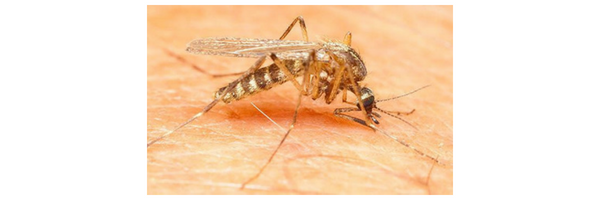
What Are Cattail Mosquitos?
Cattail mosquitos are aggressive biters and are known for being a serious nuisance when populations rise. They are also considered a species of concern because they can be involved in the spread of mosquito-borne illnesses, including West Nile virus and Eastern equine encephalitis.
In Canada, cattail mosquito activity is often more noticeable from late June into July. While the adult stage does not last long, their numbers can still create a short but intense period of mosquito pressure. Cattail mosquito activity is extremely specific, only occurring between the hours of approximately 9pm-11pm. The major challenge with the Cattail mosquito is they are notoriously known for being super aggressive biters, extremely strong fliers; so much so that they can fly in from distances over 10km away.
Unlike some backyard mosquitos that stay close to shaded resting areas, cattail mosquitos can travel long distances. This means they may show up in yards even when the main breeding habitat is not directly on the property.
Why They Show Up in Certain Areas
Cattail mosquitos are closely tied to wetland environments. Swampy areas, cattail stands, dense vegetation, heat, and humidity can all support their development.
Because their habitat is so specific, pressure from this species is not always widespread. One neighbourhood may feel heavy mosquito activity while another area nearby may not experience the same issue. When the conditions are right, though, cattail mosquito activity can become very noticeable.
They are also most active later in the evening, which is when many homeowners are trying to enjoy patios, decks, pools, and backyard spaces.
Why Regular Mosquito Treatments May Not Work the Same Way
Professional mosquito barrier treatments are designed to target common mosquito resting areas around a property. Many mosquito species spend time in shaded shrubs, hedges, trees, and other vegetation. When those areas are treated, the application can help reduce activity and provide ongoing protection between visits.
Cattail mosquitos are different.
Because they often fly in from surrounding wetland areas, they may not be resting on the property when a treatment is applied. If the mosquitos are not present during the application, there is less opportunity for immediate control.
They may also move through a yard without landing on treated foliage. Since residual protection depends on mosquitos contacting treated surfaces, this species can be harder to impact than mosquitos that regularly rest in treated vegetation.
In other words, the challenge is not simply the treatment itself. The challenge is the behaviour of the mosquito.
How Monitoring Helps
Mosquito surveillance programs, municipal abatement efforts, and regional trapping can help identify which species are active in a specific area. This information is important because not all mosquito pressure is the same.
Understanding the species involved helps explain why some periods of activity feel heavier than others and why some mosquito issues are easier to reduce than others.
At mosquito.buzz, we use field observations and local mosquito activity patterns to help set clear expectations for customers. Most common mosquito species can be managed effectively with consistent barrier treatments, but cattail mosquitos can be more difficult because of where they come from, how far they travel, and how they move through a property.
The Bottom Line
Cattail mosquitos can create a frustrating spike in mosquito activity, especially during warm, humid summer conditions near wetland habitats. They are aggressive, strong-flying mosquitos that may enter a yard from areas well beyond the property line. Often only seen for a 4-week duration often between 9pm-11pm from late June into the first couple weeks of July.
While standard barrier treatments are effective against many common mosquito species, cattail mosquitos do not always interact with treated areas in the same way. That is why activity from this species can sometimes remain noticeable, even when a property has been serviced.
If mosquito pressure feels unusually high in your area, the team at mosquito.buzz can help explain what may be happening and what options are available for season-long mosquito control.
