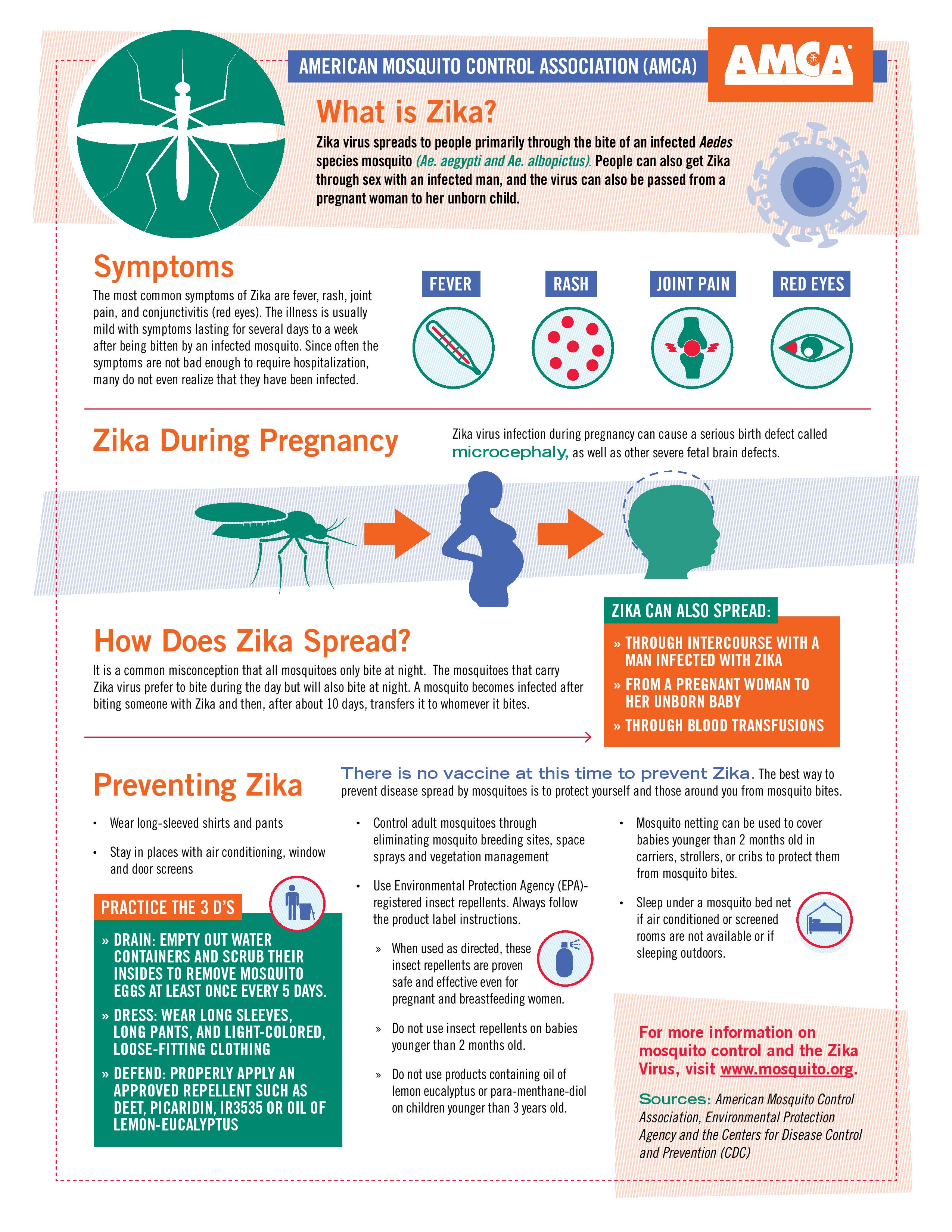

The American Mosquito Control Association (AMCA) have just released their latest fact sheet, this time covering the Zika Virus.
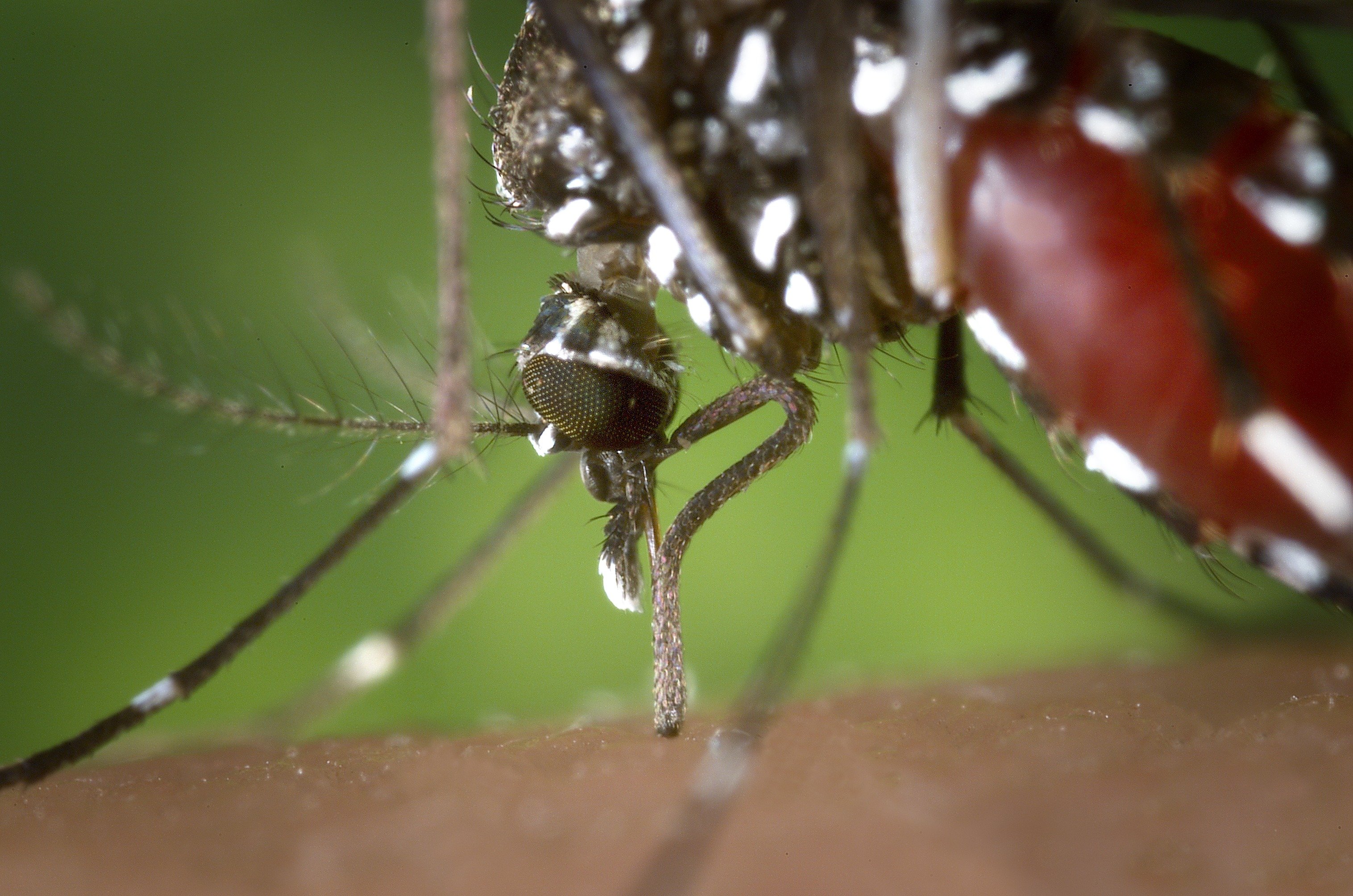
Primarily transmitted to humans through the bite of an infected mosquito, West Nile Virus is an arthropod-borne virus that typically shows few or no symptoms in humans, but in rare cases, can be fatal.
Anyone that spends time outdoors is at risk of West Nile, however the risk varies from year to year depending on the amount of rain, how hot it gets, and the current population of mosquitoes. Mosquito populations reach their peak in the summer months, so right now is the time to be protecting yourself against mosquitoes.
Our friends over at the American Mosquito Control Association started this initiative with the ultimate goal of educating the public about mosquitoes, the risks associated with mosquito bites, and the significance of mosquito control providers like the crew here at Mosquito.buzz.
Summer is now in full swing... and so is mosquito season. With public health concerns and the looming threat of the Zika virus growing across North America, members of the Mosquito.buzz team were extremely fortunate to spend a day at the University of Kentucky, learning from top researchers in the field of mosquito control.
Dr. Grayson Brown is one of the leading researchers at the University of Kentucky, and kindly spent the day with the team at Mosquito.buzz, comprising of Shawn Karn (Technical Director), Jordan Lavin (Chief Operating Officer), and Steven Fulford (Senior Field Technician).
With the virus looming closer and closer to North America, it's becoming increasingly more important to remain educated on Zika, to understand the risks and to avoid mosquito bites. As mosquito control experts based in Canada, we're dedicated to providing information and resources in an effort to combat mosquito-borne illnesses, including Zika.
We've been going on and on about this for some time now. Mosquitoes are attracted to stagnant water; it's where they lay their eggs after feeding on our blood. To give yourself any chance of avoiding mosquito bites, it's super important to drain any containers of standing water and reduce mosquito breeding habitat.
You might've heard of communities or local councils collecting old tires in your neighbourhood, with the intention of reducing mosquitoes. But why are mosquitoes so drawn to these rubbery cylinders?
You're enjoying a romantic picnic by the lake, the sun is going down, and everything is perfect... until BOOM, a swarm of mosquitoes cramp your style and start eating you alive.
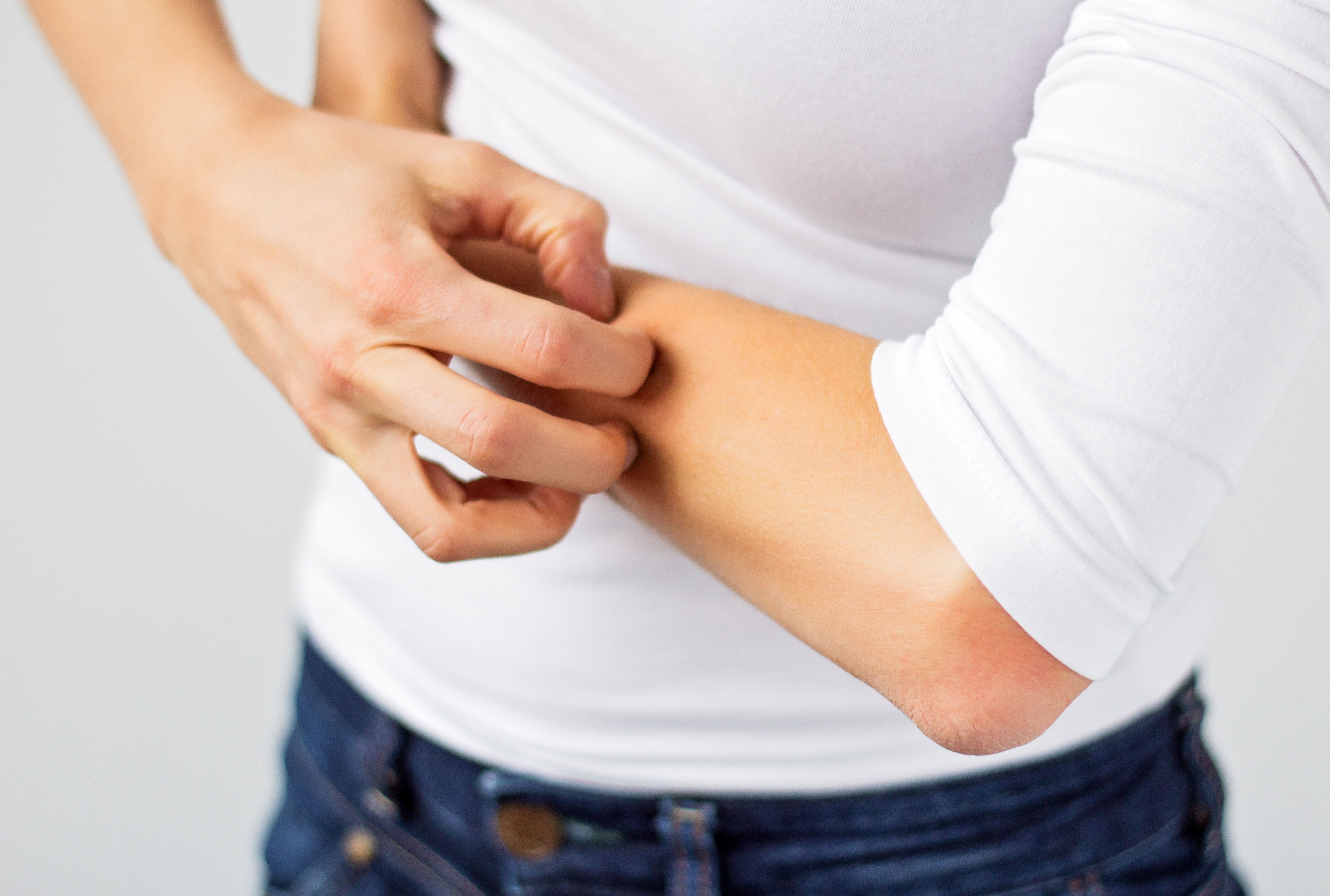
No matter what kind of climate you live in, you've probably been bitten by a mosquito one too many times. That irritating feeling of itchy skin followed by redness is a typical allergic reaction to mosquito bites that most people experience. But for people with extreme mosquito bite allergies, the symptoms can be a little harder to manage.
Skeeter Syndrome is an allergy to mosquito saliva, resulting in severe allergic reactions. Mosquitoes inject a thinning agent into our blood, since it's too thick for them to siphon as is. That agent is their saliva, which contains allergenic polypeptides that cause the body to react to the enzymes. For people with Skeeter Syndrome, this can mean a whole lot of discomfort.
If someone asked you what the most dangerous animal in the world is, what would your guess be? Sharks? Crocodiles? Some other creature with big, scary, core-crushing teeth?
Well, believe it or not, but the deadliest animal in the world is also one of the smallest.
Of course we all want to avoid mosquito bites, but how many of us actually take the proper precautions? Apart from just spraying your skin with a repellent when you're spending time outside, there's a lot of simple things you can do to avoid getting bitten by mosquitoes this season.